We’re Watching History Repeat Itself
History is repeating itself right in front of our eyes, and astrology gives us a framework for understanding why. If you’ve been tuned into the astro world lately, you’ve probably heard a lot of buzz about the Saturn Neptune conjunction we’ve been in the middle of, and with good reason. The exact conjunction happened on February 20th, but with the Aries stellium we’re in the middle of right now, it’s hard to ignore this energetic signature because it’s loud and it’s just been building up. Having the Sun, Mars, and Mercury join Neptune and Saturn here, as well as April 17th ‘s New Moon in Aries makes this energy palpable.
Something I’ve always appreciated about astrology is that what we know comes from patterns humans have been observing for centuries and have watched certain themes play out again and again under specific transits. Back in January 2020, we had the Saturn Pluto conjunction in the late degrees of Capricorn, something that had been slowly building throughout 2019. Capricorn rules power, money, and societal structures; Saturn represents authority and limits: and Pluto rules over death, rebirth, and transformation. So when you put that all together, it’s really no shock that shortly after, the world was thrown into upheaval as COVID began to spread and shut down much of our economy and infrastructure. And when you look back historically, the last times this conjunction appeared line up with some pretty major moments such as …drum roll please...1914 with the start of World War I, 1947 with the end of World War II and the beginning of the Cold War, and 1982, a period marked by economic instability and the height of the AIDS epidemic.
Fast forward to December 2020, we experienced the Great Conjunction of Saturn and Jupiter in Aquarius, which is an alignment that has been written about for centuries due to its connection to collective turning points. Across cultures, this meeting of Jupiter (growth, belief systems, leadership) and Saturn (structure, authority, and time) was seen as a marker of political change, religious shifts, and major social reorganization. When we look back through history, several moments stand out to me. One of the earliest examples dates back to 7 BCE — a rare triple conjunctionthat Johannes Kepler later argued may have been the Star of Bethlehem. While never proven, it’s one of the earliest recorded moments where a Saturn Jupiter alignment was tied to a shift in collective belief.
Another widely recognized example comes from the mid‑14th century, when a powerful Saturn–Jupiter conjunction in Aquarius, followed closely by Mars in 1345, was cited by medieval physicians as a cosmic explanation for the Black Death. The alignment coinciding with one of history’s most devastating plagues is not lost on me. The plague swept through Europe, permanently reshaping labor, religion, and social hierarchy. Most recently, the 2020 conjunction unfolded alongside a global pandemic and the unprecedented restructuring of the systems we’ve always lived by.
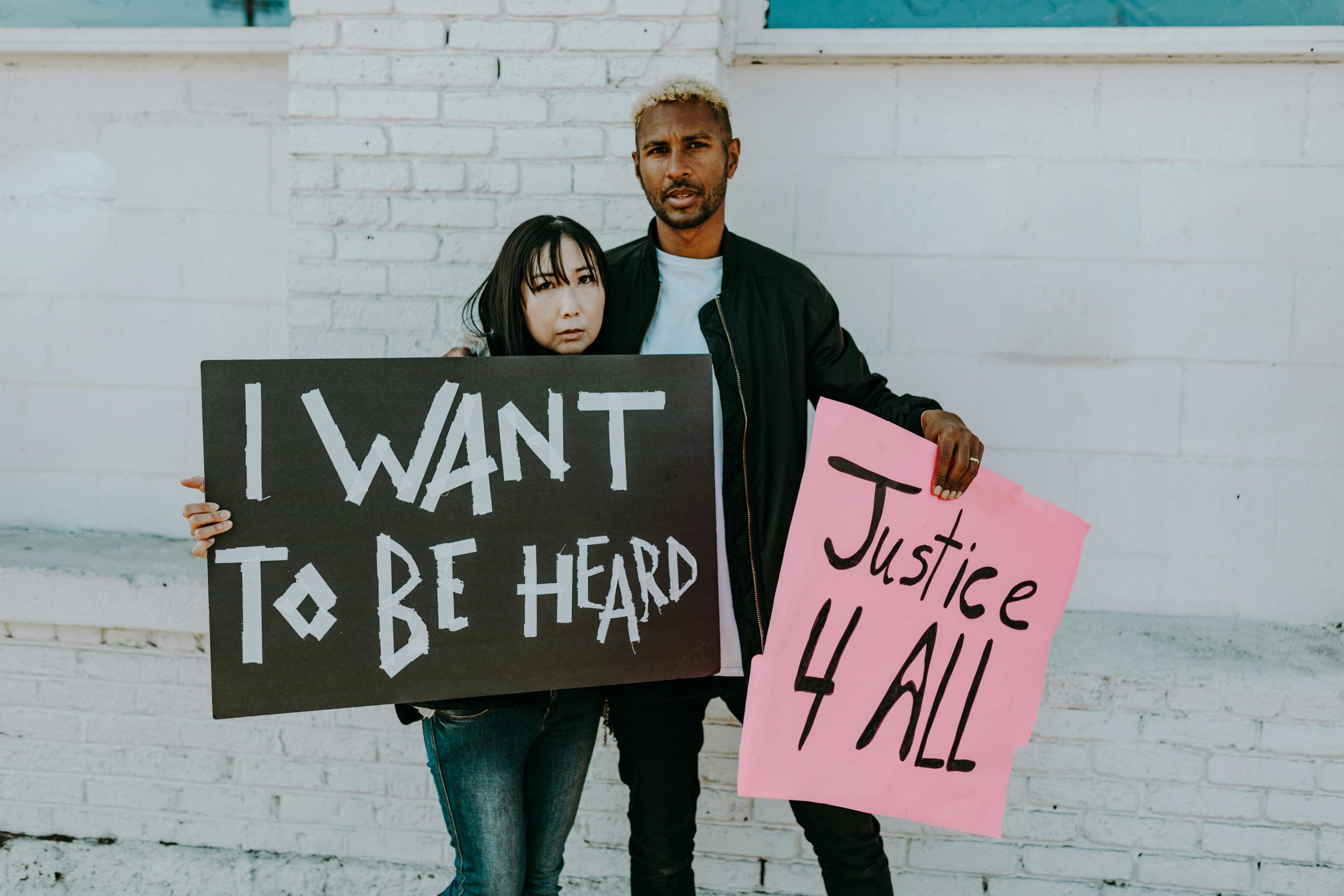
When Saturn–Jupiter conjunction took place in Aquarius, the sign associated with humanitarianism, social change, and collective justice, it coincided with one of the most charged moments in recent history. Amid global COVID lockdowns and economic restructuring, the murder of George Floyd sparked worldwide protests that brought systemic racism, policing, and social accountability to the center of the collective conversation. Together, these events reflected a breaking point in old structures and an urgent demand for reform, which is exactly the kind of societal reckoning Saturn–Jupiter cycles have historically marked.
I know I took us on a bit of a long ride through the other major transits we’ve lived through recently, but it felt important to set the foundation and really paint the picture before diving into the Saturn–Neptune conjunction. One thing I find endlessly fascinating about astrology is being able to look at a transit, trace how it’s played out historically, and then use that context to better understand how it might unfold on the world stage today, especially amid the level of upheaval we’re experiencing heading into 2026. This definitely won’t be the only post I write about this conjunction, but I wanted to make sure we had the bigger astrological storyline in place first, because Saturn Neptune doesn’t exist in a vacuum, and what’s coming builds directly on everything we’ve just lived through.
Now that we have that context, the upcoming Saturn Neptune conjunction asks us of a new phase of reckoning with our humanity and how we’vebeen living. Since the system breakdown we experienced revealed by the Saturn Pluto conjunction and the collective restructuring that came with the Saturn Jupiter conjunction follows what feels like is the next stage in rebuilding. Saturn Neptune conjunction asks us: What kind of world do we imagine ourselves living in? What would be the ideal vision (Neptune), and how do we actually build it (Saturn)?
What makes this transit even more noteworthy is that it’s in 0 degrees Aries, symbolizing a fresh new start. As Aries is the first sign in the zodiac, it symbolizes new beginnings, a change of identity, and initiating something new, but doing it boldly. If you’re familiar with degree theory, you know that 0 degrees carries the pure essence of a sign, sometimes called the “Aries” point and is considered especially potent. Because of this, many astrologers have referred to this transit as a kind of “Gensis moment” or ushering in a collective “reset”. The last time Saturn and Neptune conjoined was in 1989 as well, coinciding with the fall of the Berlin Wall, a powerful example of how this cycle can correspond with shifts in global power structures, boundaries, and belief systems.
As we continue to move through 2026, this conjunction urges us to get honest with ourselves about what’s not working and what needs to change. And after the years of upheaval we’ve already lived through, that conversation feels especially timely. This transit, while chaotic and unhinged, makes me feel hopeful. Maybe I’m naively optimistic but the way I see much of how anything plays out, personally or collectively, is that it’s like a pendulum swinging. It’s unavoidable for the pendulum to swing back a certain way, so I’m hanging tightly for the long-needed change, especially systematically. How we’ve been living our lives, our political and economic infrastructure, is not feasible anymore, and the cracks in the foundation are widening. It’s time to actually take action (Aries) and lead the way to a better world. As always, this isn’t about prediction or certainty, but about using astrology as a symbolic lens to better understand the cycles of change we’re collectively living through.
Latest Blog Posts
Stay informed and inspired with our latest blog posts. Discover insights, tips, and trends across various topics.
-
How the Late July Transits Are Restructuring Your Life
A few days ago, I made a blog post about the astrology forecast […]
-
July 2026 Astrology Forecast: Barbault’s Basket, Pluto in Aquarius, & Navigating the Quantum Leap
By Yara Obeid, July 23, 2026 July 2026 is officially one of the […]
-
We’re Watching History Repeat Itself
History is repeating itself right in front of our eyes, and astrology gives […]
